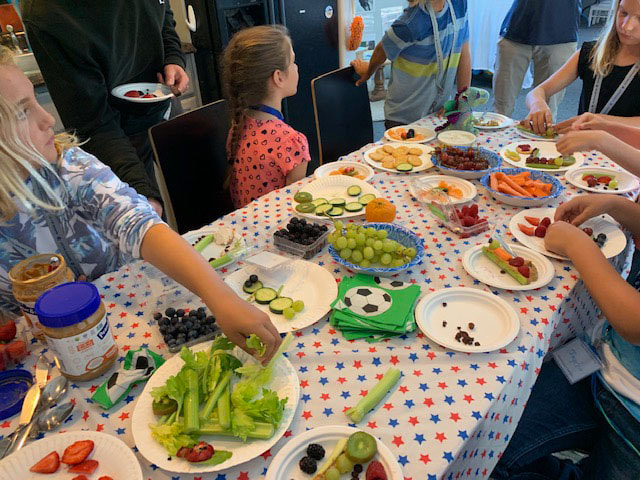
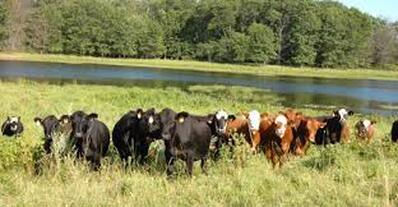
 Children sometimes don't like eating vegetables and some fruits despite the fact that they are really good for them. It can be fun to host a critter making party; above is a photo of a fruit and veggie party where we made edible critters, | 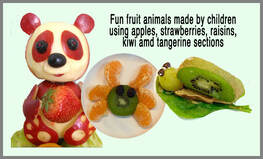 Last week I posted about ways that we can eliminate a very large quantity of the methane that is being produced from the cattle that we raise, very important in combating the climate warming crisis. To be honest, however; I haven't eaten beef or drunk milk in more that 20 years. I do eat a some wild salmon but, other than that and eggs and cheese infrequently, I rely on fruits and vegetables for my diet. I think that I am doing alright...no meds, no health complaints. But I do take supplements and beneficial herbs for extra support. Harvesting and enjoying fruits and vegetables is a wonderful, satisfying and fun personal occupation. I just put a blueberry plant in the ground and I hope that it does well. |

In my search for a healthy diet to adhere to, I have adopted a mostly vegetarian diet. Some of the issues with the consumption of beef and dairy products versus the benefits of a plant based diet are outlined by the Physician's Committee for Responsible Medicine. Dairy products and foods high in saturated fats lead to inflammation, the cause of many adverse health conditions. I had severe childhood asthma and drinking milk made it hard for me to breathe. Scientists have proven that a plant based diet can help prevent conditions like asthma and with plant based milk I don't have a breathing problem.
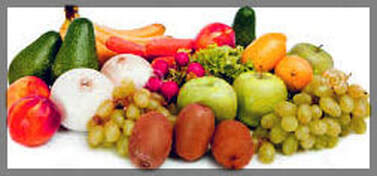
Much of the grain that we grow to feed the livestock we consume is drenched in pesticides such as glyphosate, a known carcinogen which is then passed on to us through our diet. Raising animal feed crops also uses 80% of the land in our country and nearly half of our water, squeezing out native wildlife and creating water shortages. By reducing the meat we consume and substituting organic produce we can ease pressure on the climate, land, water and wildlife. While animal agriculture generates about $35 billion more in profit than plant farming, the expenses of animal agriculture are also about $55.8 billion more. Research concludes that “plant-based agriculture grows 512% more pounds of food than animal-based agriculture on 69% of the land. According to research by the University of Michigan and Tulane University and supported by the Center For Biological Diversity, it was found that replacing half of all animal based foods with organic plant based alternatives, would result in a reduction of 1.6 billion tons of climate pollution over the next 10 years.
Now that we are enjoying barbecuing on the home grill in this summer season, maybe by putting more plants and less meat on the grill, we can improve our health, reduce our carbon footprint and help save our wildlife
Much of the grain that we grow to feed the livestock we consume is drenched in pesticides such as glyphosate, a known carcinogen which is then passed on to us through our diet. Raising animal feed crops also uses 80% of the land in our country and nearly half of our water, squeezing out native wildlife and creating water shortages. By reducing the meat we consume and substituting organic produce we can ease pressure on the climate, land, water and wildlife. While animal agriculture generates about $35 billion more in profit than plant farming, the expenses of animal agriculture are also about $55.8 billion more. Research concludes that “plant-based agriculture grows 512% more pounds of food than animal-based agriculture on 69% of the land. According to research by the University of Michigan and Tulane University and supported by the Center For Biological Diversity, it was found that replacing half of all animal based foods with organic plant based alternatives, would result in a reduction of 1.6 billion tons of climate pollution over the next 10 years.
Now that we are enjoying barbecuing on the home grill in this summer season, maybe by putting more plants and less meat on the grill, we can improve our health, reduce our carbon footprint and help save our wildlife
 RSS Feed